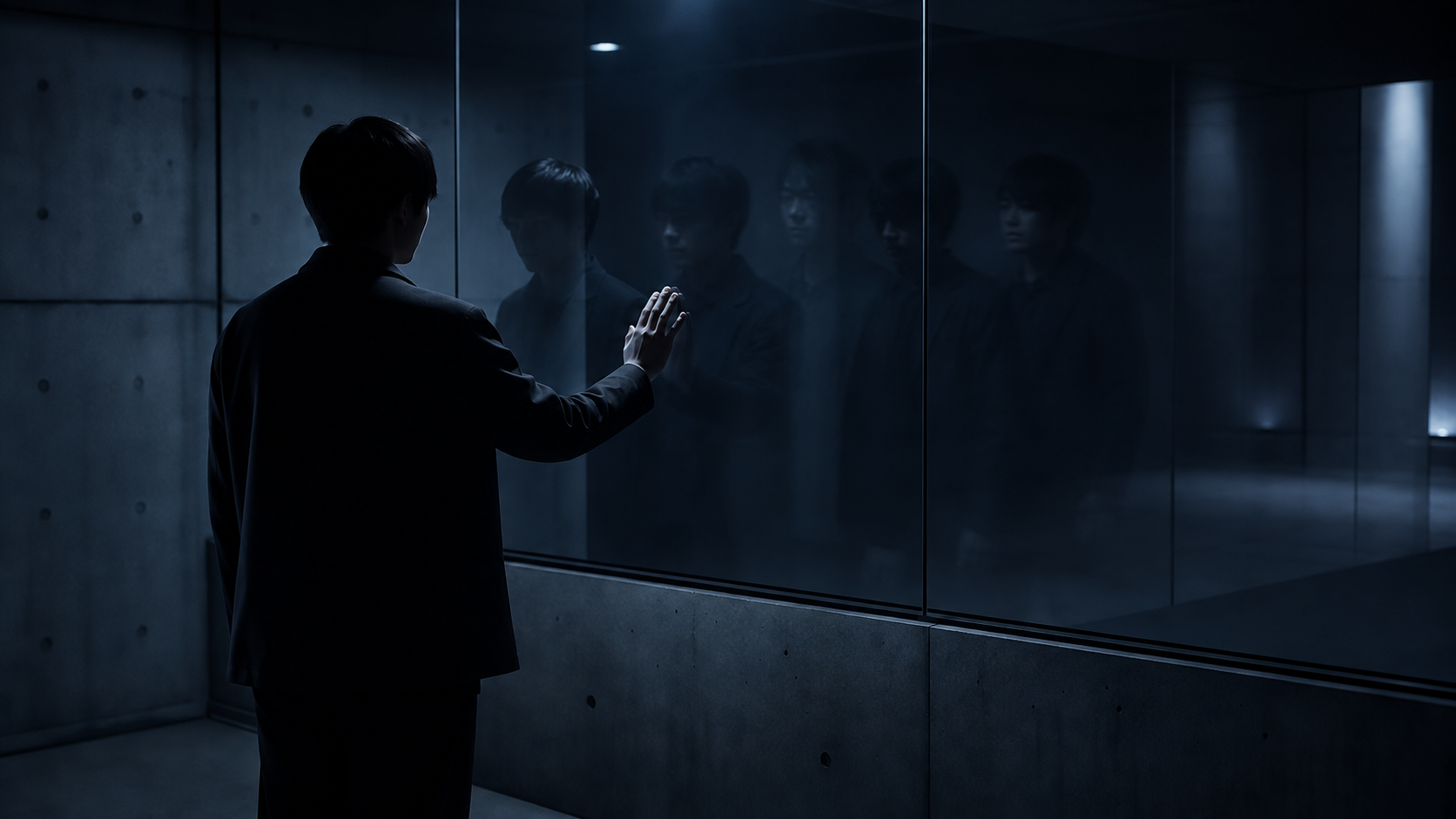
I used to find the idea that this world might be virtual reality appealing.
I didn’t merely find it interesting. I wanted an explanation that would convince me it was true, as though knowing that might change something.
Thinking it through, though, even if it were true, pain would still hurt and bad smells would still stink.
Discovering virtual reality wouldn’t erase the pain or discomfort experienced within it. Obvious as that is, I finally noticed it.
Since then, I’ve gradually lost interest in endlessly pursuing untestable hypotheses, or ones that would make no practical difference even if true.
Instead, my attention turned toward what’s in front of me and ordinary life: what to eat, how to work, how to rest. Changing those changes how the days feel.
Someone might consider me at the bottom of society. If that judgment stays inside their head, nothing in my life changes.
But if I imagine being mocked behind my back and lose sleep, the suffering is real. Whether they actually think it or not, I’m in pain.
I treat the feeling of suffering as real. My explanation for it isn’t necessarily a fact.
That’s also why I like the idea that other people don’t exist: it helps me avoid being controlled by the people constructed inside my head.
Suffering is real; its interpretation may not be factual
Suppose someone laughs in the street. I take it as laughter at me, remember it until night, and can’t sleep.
I don’t know whether they laughed at me. Still, if I can’t sleep and feel worse the next day, my life has already been affected.
If going to work feels unbearable, I think it’s better not to ignore that suffering first.
Is it the manager, the work, lack of sleep, or alcohol? Or am I cornering myself with the thought that I must look like a respectable adult?
There may be several causes, and I may not recognize them immediately.
Dismissing it as attitude and continuing to go in while suffering looks more like escaping reality to me.
Do I need a different environment, rest, or distance from a relationship? Even questioning my interpretation should begin with the suffering, not by pretending it isn’t there.
I describe how I arrange my surroundings and body in “The six habits that brought bliss to my life with ¥4.55 million in debt”.
I think insults work similarly.
If remembering someone’s words leaves me angry and sleepless, that is ordinary suffering. Words aren’t harmless merely because they’re words.
But realizing I needn’t obey the judgment, creating distance, and noticing my own imagined additions can make the same words stop mattering.
If they genuinely don’t bother me or affect life, I can let the person say what they like.
Meaning can weaken; a broken bone won’t disappear
What if someone hits me and breaks a bone?
Fear and the experience of pain may change, but ideas won’t mend the bone. I need medical care.
Thinking that other people don’t exist won’t erase the fracture.
The same applies if lies cost me work. Even if it began with words, lost contracts and reduced income mean dismissing opinions as illusions would cause a real loss.
So distinguishing words from fists isn’t enough.
What happened to my mood, body, money, time, and range of possible action because of this event?
That’s what I want to examine.
Some suffering eases through interpretation. Some conditions don’t change that way alone.
Do I need to reconsider something internally, or act on the person or environment? This distinction keeps those from becoming confused.
Labels can be tools rather than things I must discard
I currently deliver food on a non-electric mamachari, an everyday city bicycle. Forty-eight, unemployed, about ¥4.55 million in debt: listing social labels alone makes me a fairly impressive failure.
But being considered a bottom-tier delivery worker doesn’t by itself take a yen from my wallet. That degree of judgment doesn’t much disturb me now.
I’m more grateful to choose when I leave and return and earn through movement without someone managing me.
I use delivery work now, but don’t need to defend its title. If the conditions stop suiting me, I can change jobs.
I also wrote about that in “I’m still delivering, but I’ve let go of being a delivery driver”.
Sometimes that order gets reversed.
People attend a company until their body breaks to look respectable, or borrow for a car beyond their means to appear high-status.
Keep spending body, time, and money to preserve how others see you. To me, that looks much more like escaping reality.
Luxury cars and brands aren’t bad in themselves. If the owner enjoys them, fine. They can help business too.
As a salesperson, I wore an expensive watch on a senior colleague’s recommendation. Looking like someone of standing made deals easier to close.
In that case, the impression contributed to contracts and income. That’s why I used it.
A label needn’t be discarded merely for being a label, nor something rejected merely as showing off.
Do I enjoy it, or does it actually help? Ignoring those questions to defend only a respectable appearance is where things go wrong.
Not fearing opinions doesn’t mean telling everyone everything
Some might think that not caring what others think should mean proudly declaring I’m a delivery worker whenever asked.
My answer depends on the situation. Not from shame, but because disclosure can either help or create trouble.
If honesty makes the conversation easier and improves the relationship, I’ll say so. If explaining only creates trouble, “I work for myself” may be enough.
I’m not especially interested in the thought inside their head. If what I say changes contracts, credibility, or safety, that’s another matter.
Not fearing judgment and handing over all my information aren’t the same thing.
Freedom looks more like choosing what to say without shame or vanity deciding for me than proudly revealing everything.
Suppose virtual reality were proved
Do other people truly exist? Is this world virtual reality?
I still don’t know. But if considering that possibility brings ease, the perspective can be useful.
Suppose it were scientifically proved and I genuinely accepted it.
Perhaps I’d think I needn’t take everything so seriously. If pressure over appearances or the respectability of my life eased, the perspective would be practically helpful.
Scientific explanations can provide strong reasons for genuine acceptance. But some people don’t trust science, and intellectual understanding doesn’t always become a felt conviction.
Conversely, even a hypothesis might bring similar ease to someone who truly accepts it.
Feeling better through a belief doesn’t verify the explanation itself.
For example, believing wishes come true might encourage action. That alone doesn’t establish a law guaranteeing that wished-for events occur.
A rope doesn’t erase the sensation of falling
In bungee jumping, trust in the rope enables the jump, and some enjoy falling. Knowing there’s a parachute similarly supports reassurance in skydiving.
But however much safety is explained, I can’t experience this particular rope successfully supporting me before jumping.
At that point, I’m trusting explanations and past performance and predicting what comes next. After returning safely, I know through experience that this rope didn’t break this time.
Even trusting it, I may be afraid while falling. Or that reassurance may let someone enjoy even the fear.
Virtual reality looks somewhat similar to me.
Even proof wouldn’t let me experience my own future in advance. It wouldn’t establish that I’ll wake elsewhere after death or discover the world’s true nature there.
The thought might make living easier, but I’ll still get hungry, enjoy food, and hurt when hit.
Even in a virtual world, the days I experience within it don’t cease to exist.
How to spend today matters more than the world’s true nature
I’m not trying to prove virtual reality on this blog. Ultimately, I consider how to enjoy my own days.
If thinking other people don’t exist or the world might be virtual helps, use it. I’m not saying accepting that explanation is necessary for happiness.
But I don’t want to use it to tell my suffering self that everything is illusion and shouldn’t matter. If suffering is felt, first treat it as real.
Treat a fracture, earn needed money, and if an opinion bothers me, consider whether I need to follow it.
Other people don’t exist. Perhaps this is virtual reality. Getting punched still hurts.
The foundations of this thinking are also in CORE and my redefinition of success.


コメント